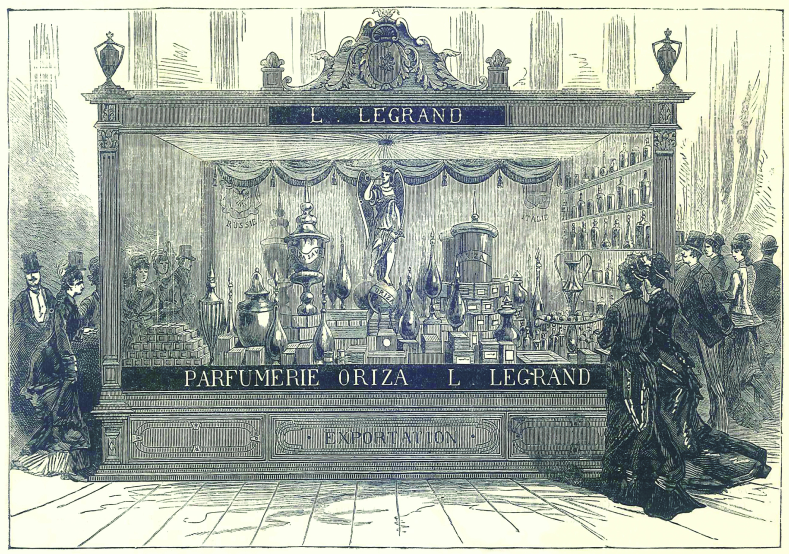
Paris, Christmas Eve, 1882.
Snow has been falling since dusk. In the narrow streets, gas lamps cast flickering halos; their light dissolves among the snowflakes before reaching the cobblestones. A horse-drawn carriage passes, almost silently. Behind the confectioners’ shop windows, a few gaslights illuminate pyramids of sweet delights, candied fruits and ribbon-tied boxes, leaving the corners of the shops in shadow.
It is time to go home. The cold has crept into fingers, shoulders and the tips of shoes.
Then a door opens.
In the entrance hall, snow is brushed from coats. Beyond the heavy draperies, oil lamps and candles cast an amber glow. Their flames tremble as the guests pass by; shadows glide across the wood panelling, while a mirror reflects the sparkle of the candelabras. In the fireplace, embers glow red.
Near the window stands a Christmas tree adorned with paper ornaments, little golden fruits and ribbons that the children have been endlessly rearranging.
Yet it is a fragrance that welcomes the arriving guests.
The scent of still-warm gingerbread resting on a porcelain plate. Beneath its delicate coating of sugar, honey and cinnamon mingle in sweetness; nutmeg and cloves bring their warmth, while candied orange releases a tender, luminous sparkle.
Armchairs are drawn closer to the fire. A cup passes from hand to hand. Amid the rustle of dresses and hushed conversations, the children wait to be offered a second slice.
The windows mist over. Outside, the snow continues to fall.
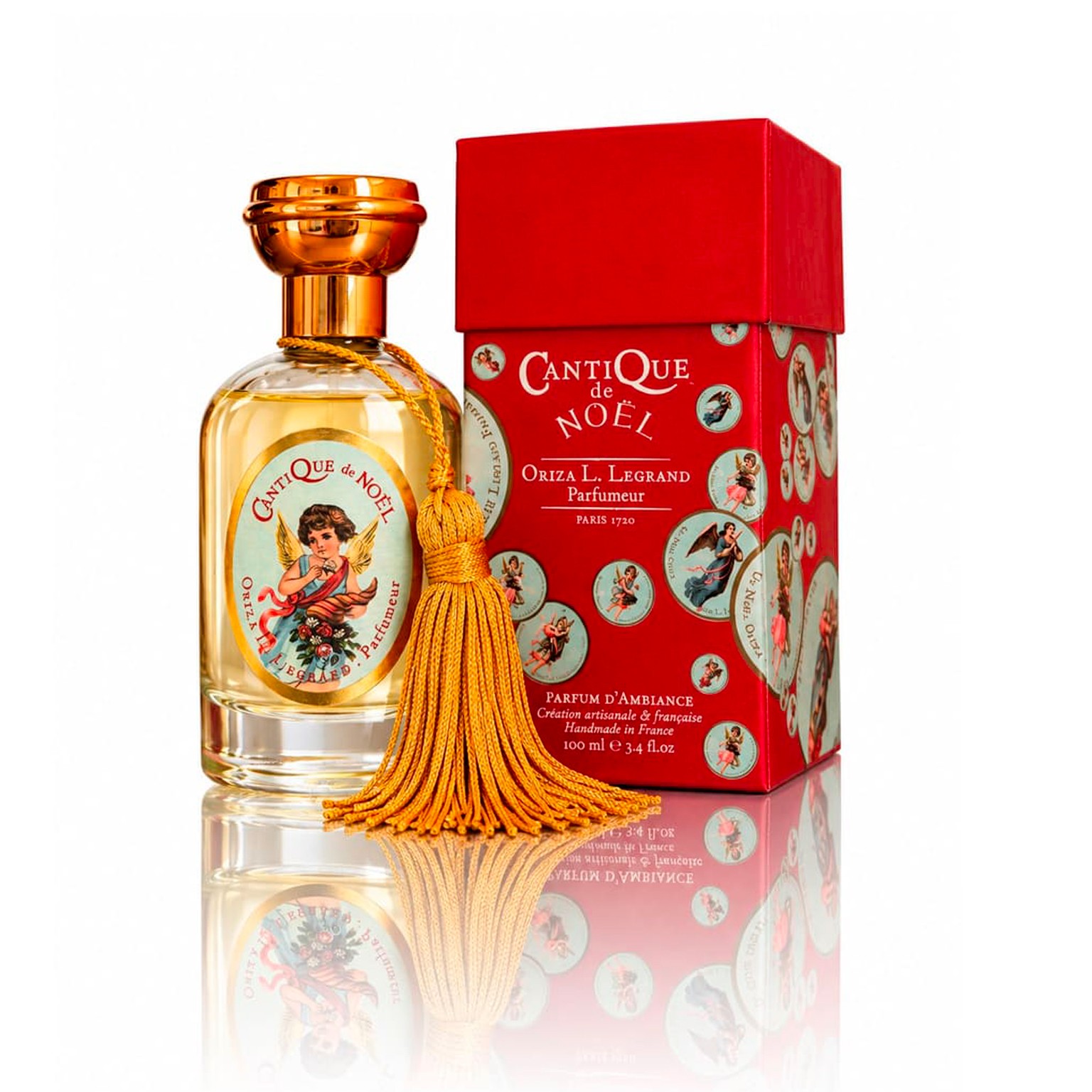
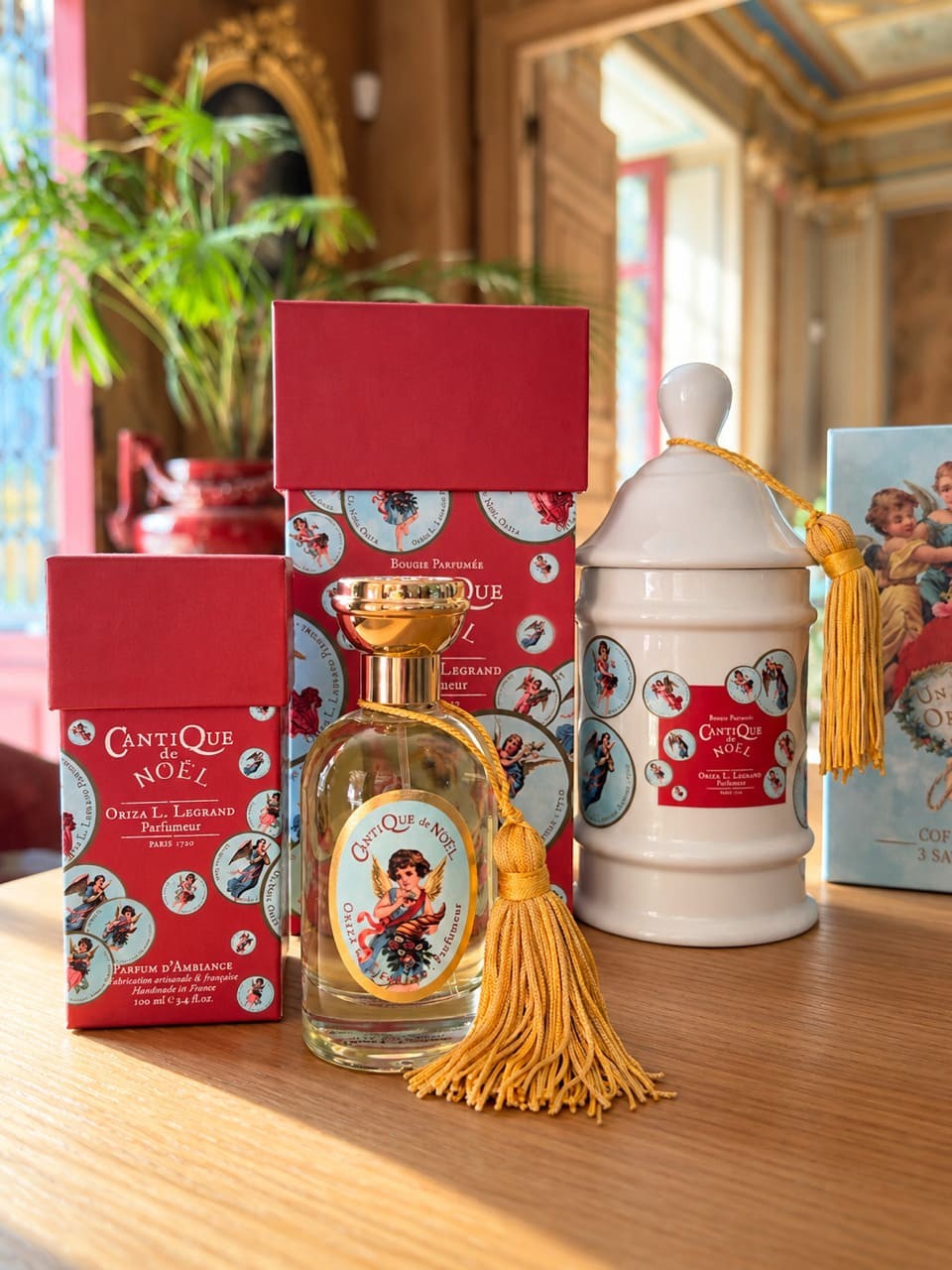
Christmas Carol preserves the memory of that open door, of those flames keeping watch through the night, and of the simple happiness of finally being together.